The people behind your plate.
Seafood passes through far more hands than the one that hauls in the net. On the shore of Lake Tanganyika, the work that decides whether a catch keeps its value happens on the drying ground.
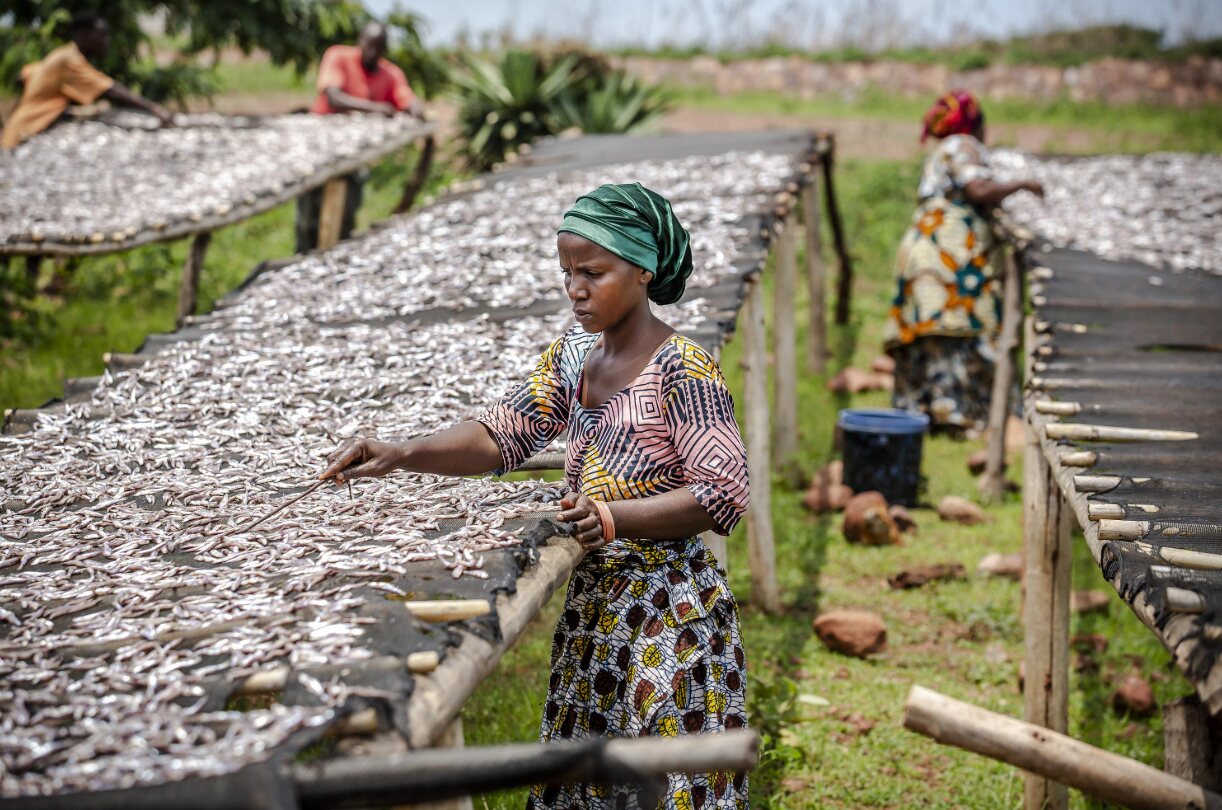
In the port of Kigoma, on the Tanzanian shore of Lake Tanganyika, the night's catch of sprat is spread out to dry in the sun. For years, one processor profiled by the FAO in 2023 laid hers straight on the sand. She had been doing the job for around three decades, and the method came with familiar problems: fish picked up dust and grit, buyers paid less for it, and with nothing to lift the catch off the ground, goats sometimes reached it before customers did.
That is food loss, and it happens long before anyone opens a fridge. We usually picture waste as the forgotten leftovers at home. On the lake, value leaks away on the beach, through poor handling, too little cold storage and drying methods that leave fish exposed.
The fix in Kigoma was practical. Through FISH4ACP, an FAO-led programme run in Tanzania with the Tanzania Fisheries Research Institute, processors learned to build and use raised drying racks and solar tent dryers, and to market what they produced. The processor in the FAO story built racks of her own and says her product improved. Cleaner fish sells for more, and less of it is thrown away, so the same catch now feeds more people and earns more money.
According to the FAO, nearly 90% of fish processors in Tanzania are women. That pattern holds well beyond one lake.
The 2023 Illuminating Hidden Harvests study by the FAO, Duke University and WorldFish estimates that small-scale fisheries land at least 40% of the world's capture catch and provide work across the value chain for an estimated 60.2 million people, about nine in ten of everyone employed in fisheries. Women make up roughly 40% of the people working in or around small-scale fisheries, and about half of those in post-harvest work: processing, transporting, trading and selling.
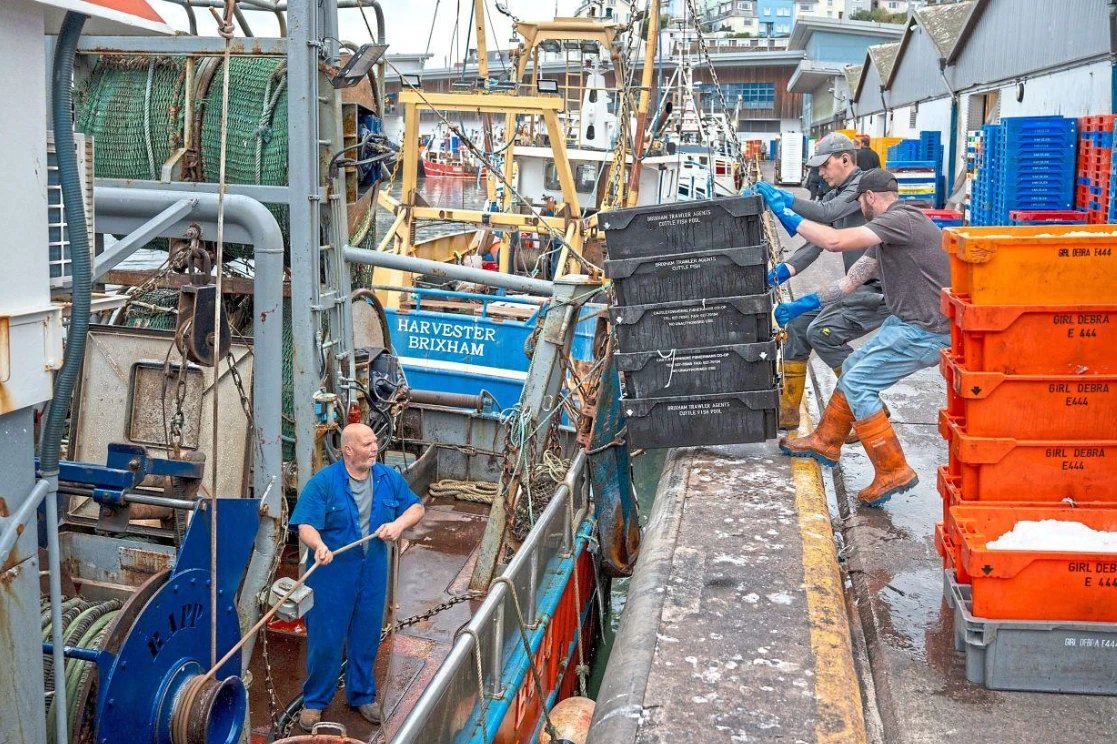
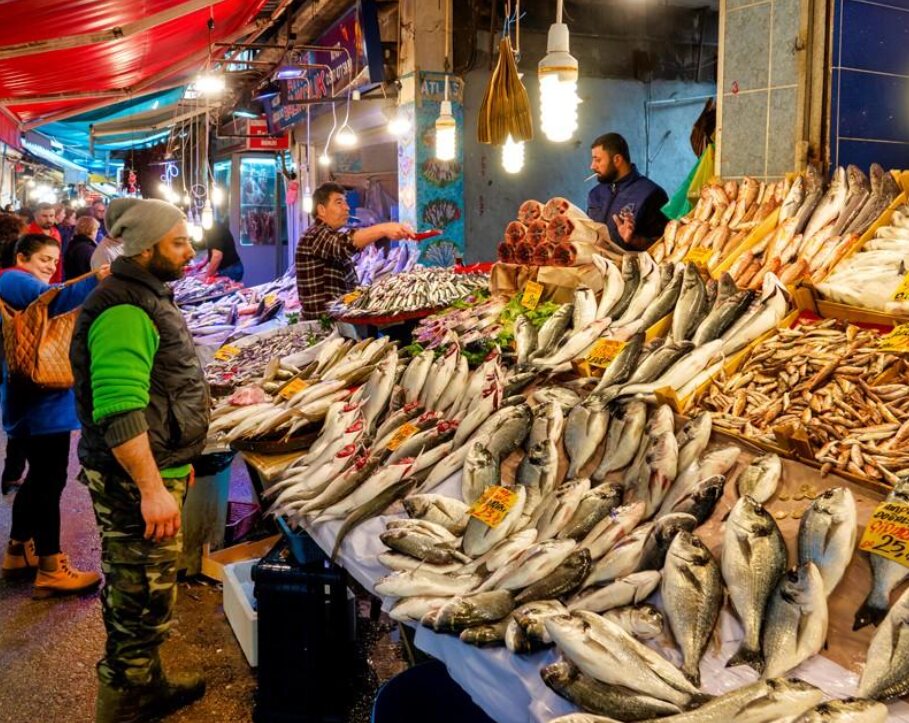
Those are the jobs seafood marketing rarely shows. Packaging carries a boat at sunrise and the name of an ocean, but not the person who gutted, salted, smoked or dried the fish so it could travel. For an industry that wants people to trust where their food comes from, that is a missed opportunity as much as an oversight.
Equipment is only part of the answer. Processors also need credit, reliable infrastructure, fair prices and a seat at the table when decisions about fisheries are made, and women in particular are often left out of those rooms. Getting more value from the fish already landed is one of the cheapest ways to add food to the system, and much of that work depends on the people on the drying ground.
Fresh Catch · The SALT. newsletter
Enjoyed this story? There's more where that came from.
Food, oceans, people and ideas. The most interesting stories from SALT., delivered to your inbox.
Free to read. Free to subscribe. Unsubscribe anytime. Privacy
About this story · 3 sources
Sources
- FAO: Reducing losses from fish harvests changes the work and future of Tanzania's women fish processors
- FAO, Duke University & WorldFish: Illuminating Hidden Harvests (2023)
- WorldFish: Illuminating gender dimensions of hidden harvests
Spotted an error? Tell us. We correct the record openly.