When did tinned fish become a luxury?
A tin of sardines used to live at the back of the cupboard. Now it comes with illustrated packaging, a following online and a price closer to a glass of wine. The fish hasn't changed much. Almost everything around it has.
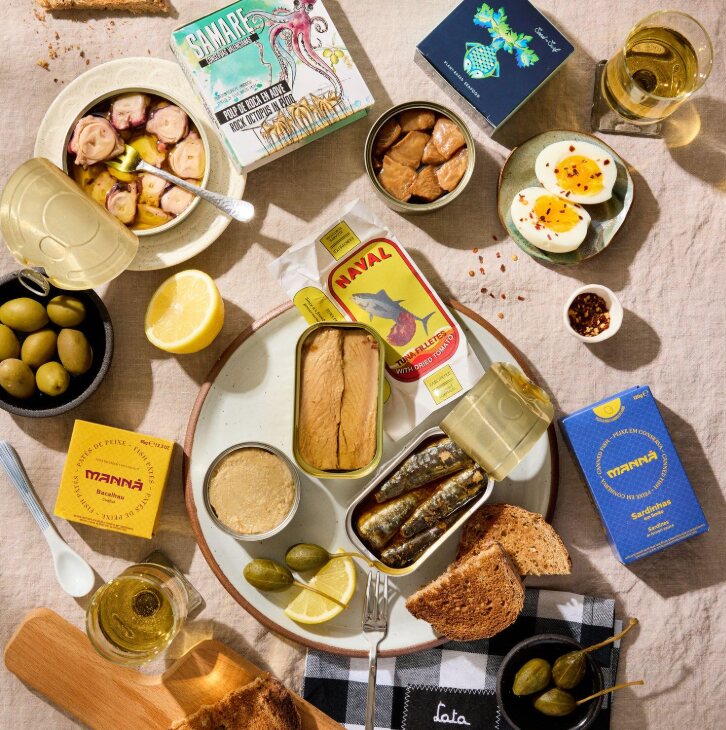
Eight pounds. That is what a single tin of Cornish sardines from Sea Sisters, a small cannery in Bridport, West Dorset, costs at British online retailers, and its hake, trout, whelks and cockles sell for £10. A supermarket tin of sardines costs a fraction of that. The fish inside belongs to the same species. What has changed is everything wrapped around it: the design, the story, the shop it is sold in and the person buying it.
In the United States, the clearest example is Fishwife. The brand launched at the end of 2020 with brightly illustrated boxes, premium tinned fish and a following built largely online. Whole Foods Market began stocking it in 2023 and, in April 2024, Fishwife announced an expansion into selected Whole Foods stores across the country. It is also sold at Target, where it sits a few aisles away from the cereal and washing-up liquid.
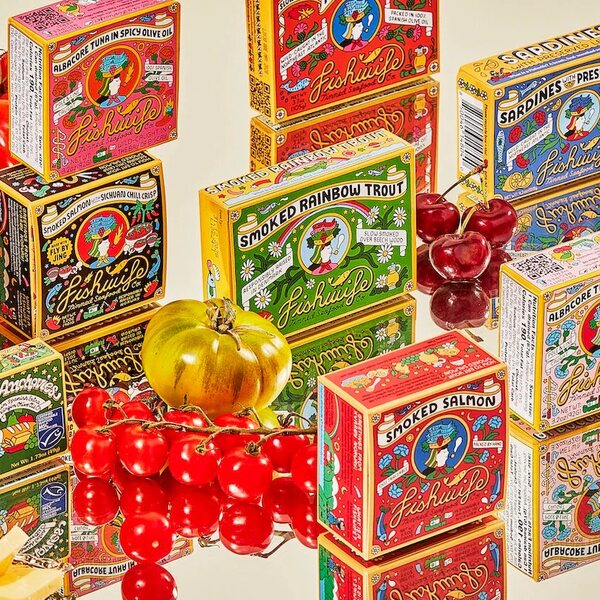 Image: Fishwife
The retailers have noticed. At the end of July 2026, Whole Foods released a limited run of tote bags carrying Fishwife's artwork, the grocer's first merchandise collaboration with a brand, according to IntraFish. Fishwife told the trade press that most of the stock went on the first day. A bag inspired by a sardine tin selling out tells you what the buyer is paying for: not only lunch, but a look and an identity that come with it.
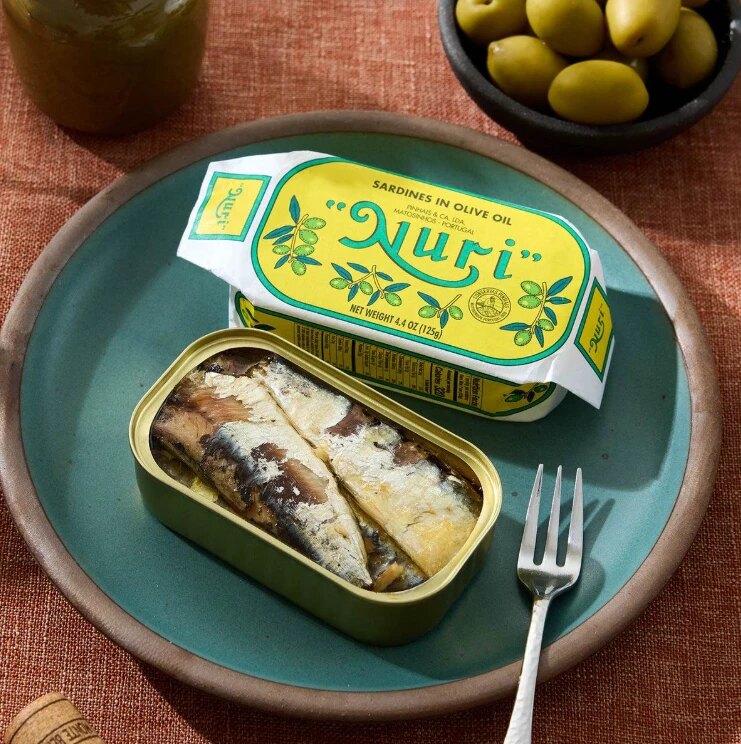
None of this was invented in America. Portugal and Spain have treated conservas as proper food for generations, served in bars and restaurants as well as eaten at home, and Portuguese tins have long been decorated with care. José Gourmet, founded in 2008, has built its whole identity on labels drawn by Portuguese illustrators and artists.
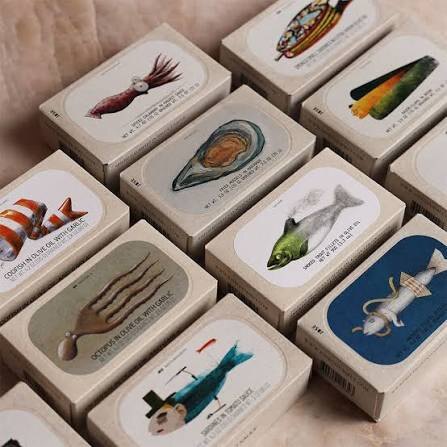 Image: José Gourmet
What is new is the audience. The Iberian tradition has been translated for younger shoppers in Britain and North America, many of whom met it through social media rather than a Lisbon tasca.
Sea Sisters shows the British version. Its founders started canning in a London kitchen during the 2020 lockdown, after noticing that none of the tinned fish on supermarket shelves was British, and moved to Bridport in 2021. The range now covers Cornish sardines, Norfolk whelks, Welsh cockles, mussels from South West farms and smoked trout, all packed by hand.
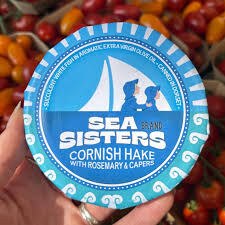 Image: Sea Sisters
In this case the price has a visible basis: British fish, bought in season, packed by hand in a small plant with British wages and British energy bills. A wild sardine fishery and a farmed mussel line can end up on the same shelf, which is a small reminder that fishing and farming feed the same market. That is a better reason to pay £8 than a pretty label, and it is the test worth applying to the whole category. Packaging alone says very little about what is inside.
Meanwhile most tinned fish is still sold without any fanfare. Own-label tuna, sardines and mackerel remain cheap, nutritious and convenient, and they do not need an origin story to earn their place in the cupboard. The premium tin and the value tin are not rivals. Between them they have persuaded more people to eat oily fish, which is good news for the boats and farms that supply both.
So if a brand asks for eight pounds, ask what it is selling. Better fish and careful production are worth paying for. A beautiful box, on its own, is not.
Fresh Catch · The SALT. newsletter
Enjoyed this story? There's more where that came from.
Food, oceans, people and ideas. The most interesting stories from SALT., delivered to your inbox.
Free to read. Free to subscribe. Unsubscribe anytime. Privacy
About this story · 8 sources
Sources
- Farmfetch, Sea Sisters range and prices
- Dorset Life, Bridport seafood producer turns lockdown idea into expanding business
- Nosh, Fishwife nationwide expansion into select Whole Foods Market stores (April 2024)
- SeafoodSource, Fishwife takes a modern approach to canned seafood
- Fishwife, Target store locator
- SeafoodSource, Fishwife and Whole Foods tote bag collaboration
- IntraFish, Whole Foods taps Fishwife for its first merch collaboration
- Monocle, José Gourmet's canned fish
Spotted an error? Tell us. We correct the record openly.