The most valuable part of a fish might be the part we throw away.
Heads, skins, frames and shells can make up most of a fish or shellfish by weight. Farmed and wild processors alike are learning that the leftovers are a second harvest.
Order a fillet and you get perhaps half the fish, often less. The head, frame, skin, guts and trimmings leave the supply chain long before the plate arrives. According to the FAO, these by-products make up between 30% and 70% of the whole fish, depending on species and how it is processed.
That is a large share of every animal caught or farmed. For years the seafood debate has measured efficiency in tonnes landed or harvested. The better measure may be how much value we get from each fish.
The list of uses is long. Trimmings and frames become fishmeal and fish oil, and this is already a large market: industry body IFFO estimates that by-products supplied 34% of global fishmeal and 54% of fish oil production in 2024. Skins yield collagen and gelatin for supplements, food and pharmaceuticals, or are tanned into fish leather. Bones provide minerals and protein. Shrimp and crab shells contain chitin, the raw material for chitosan, which is used in water treatment and biodegradable packaging. The FAO also lists fertilisers and bioenergy among the outlets.
None of this is entirely new. Fish stock is not a breakthrough, and cheeks, heads, roe and collars are prized in kitchens around the world. What is new is industrial scale, and with it the logistics of collecting, chilling and processing by-products before they spoil.
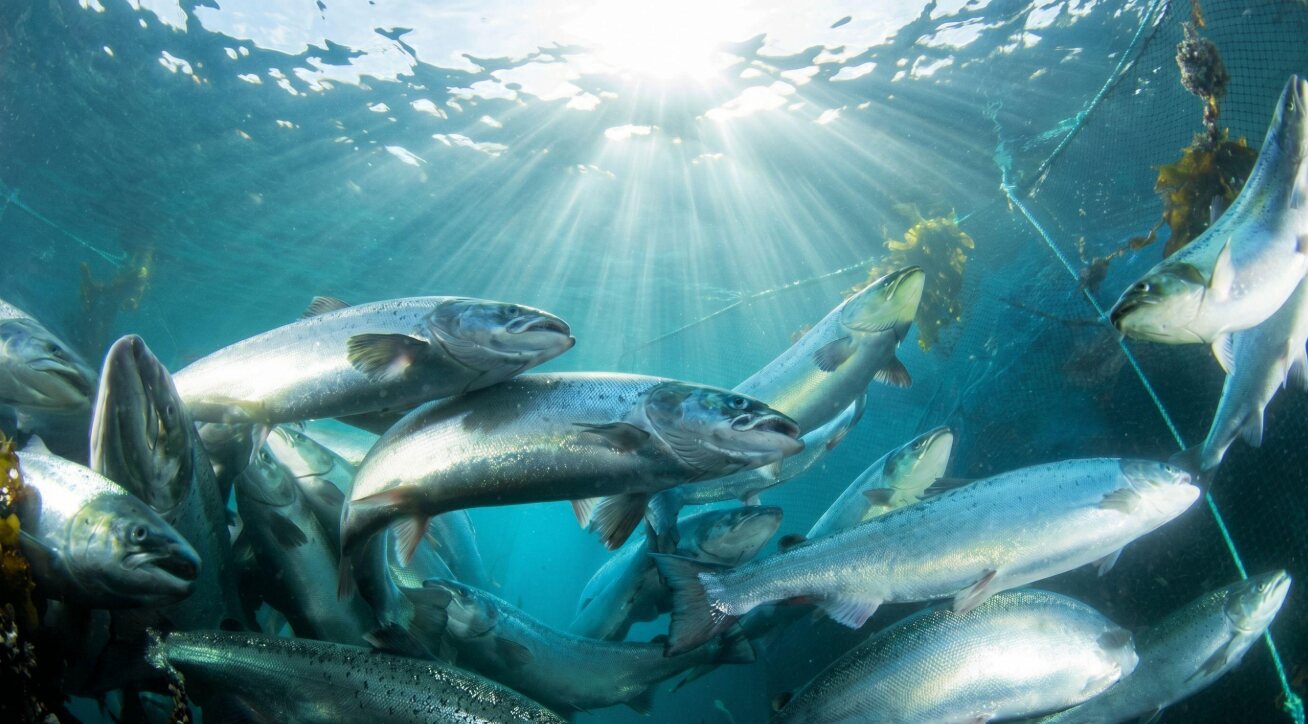
This is one of the places where farmed and wild seafood work as a single system. A large salmon processor produces steady, predictable volumes of uniform trimmings that can feed straight into established rendering and oil plants. Whitefish processors have long done the same with heads and frames. Meal and oil made from wild-fish leftovers go into feed for farmed fish; oil and protein from farmed-salmon by-products go back into feed, supplements and pet food. Each sector turns the other's waste into raw material.
Europe already leads, with Seafish estimating that by-products account for around half of fishmeal and fish oil production there. The harder cases are small, mixed-species businesses and remote landing sites, where the cost of transport, refrigeration and processing can exceed the value of what could be recovered. Hygiene rules matter too: material fit for animal feed is not automatically fit for human food, and climbing the value ladder to collagen or pharmaceuticals takes investment and consistent supply.
The industry doesn't have to catch or farm more fish to grow its output of food, feed and materials. Getting more from the fish it already handles is the cheapest expansion available, and it is already under way.
Fresh Catch · The SALT. newsletter
Enjoyed this story? There's more where that came from.
Food, oceans, people and ideas. The most interesting stories from SALT., delivered to your inbox.
Free to read. Free to subscribe. Unsubscribe anytime. Privacy
About this story · 4 sources
Sources
- FAO, Fish by-products utilization: getting more benefits from fish processing
- Nutrition Connect, Production of high-value products from the by-products of aquatic food processing
- IFFO, State of World Fisheries and Aquaculture 2026 through a marine ingredients lens
- Seafish, Sourcing fishmeal and fish oil
Spotted an error? Tell us. We correct the record openly.